


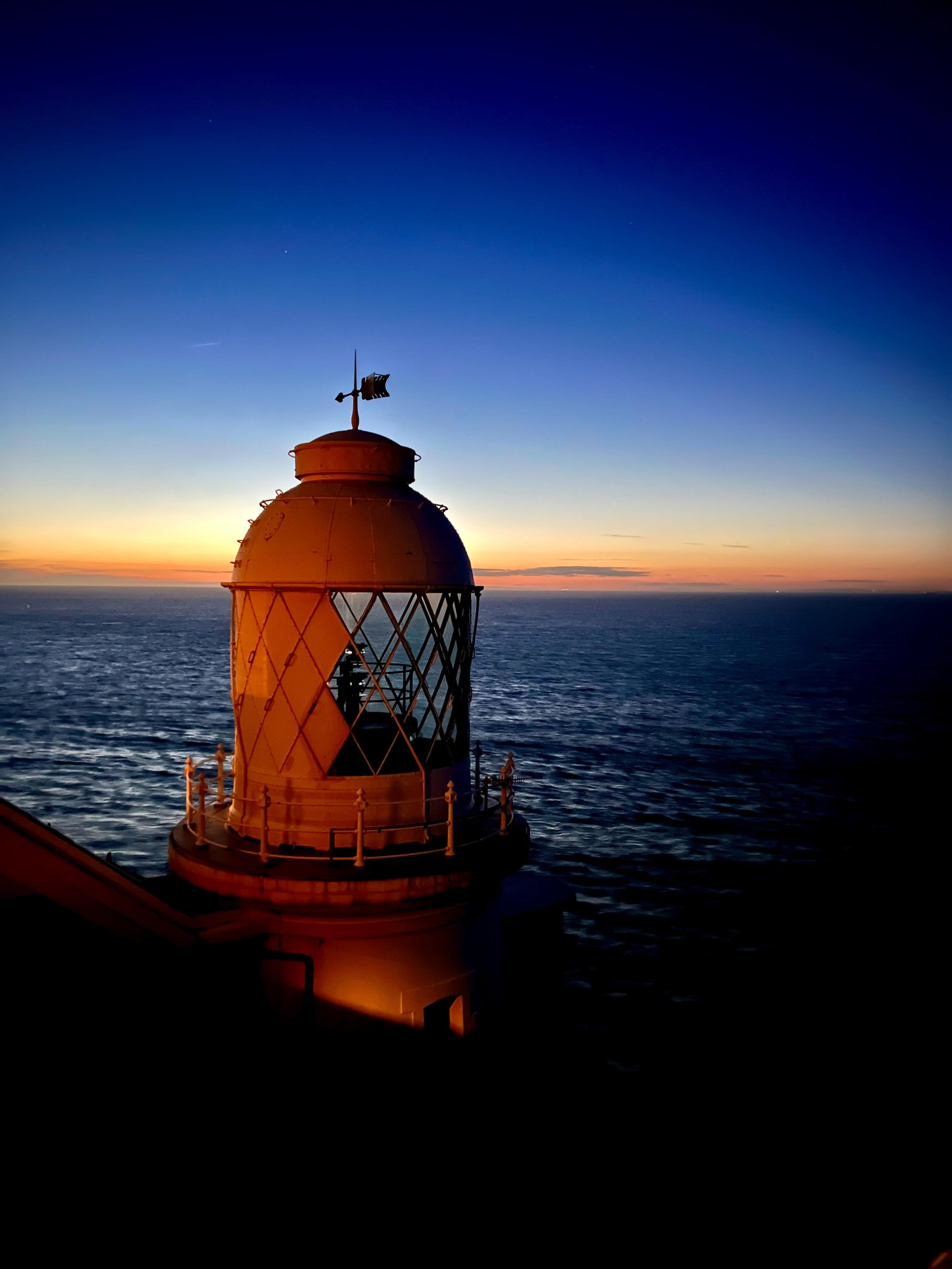


Exmoor Coast Walking Break – Stay in a Lighthouse
Stay in a working lighthouse high above the Exmoor coast on this unforgettable three-night walking break with Large Outdoors. Based at the National Trust’s Foreland Lighthouse Keeper’s Cottage, this small-group escape combines dramatic coast paths, wooded valleys, sea views, and relaxed evenings in one of the most unusual places we’ve ever stayed.
Trip Overview:
Experience Type: Weekends & Short Breaks
Location: Exmoor National Park
Duration: 3 nights
Group Size: 8
Walking Grade: Active
Energetic hill days often aiming for a summit or clear objective, with sustained ascent and longer, more physically demanding routes.
See our full walking grade guide.
Accommodation: Cottage
Transport: Car-free trip
Meals: Breakfasts, packed lunches and 2 evening meals included, 1 evening we eat out at a local pub.
Price: From £495 per person
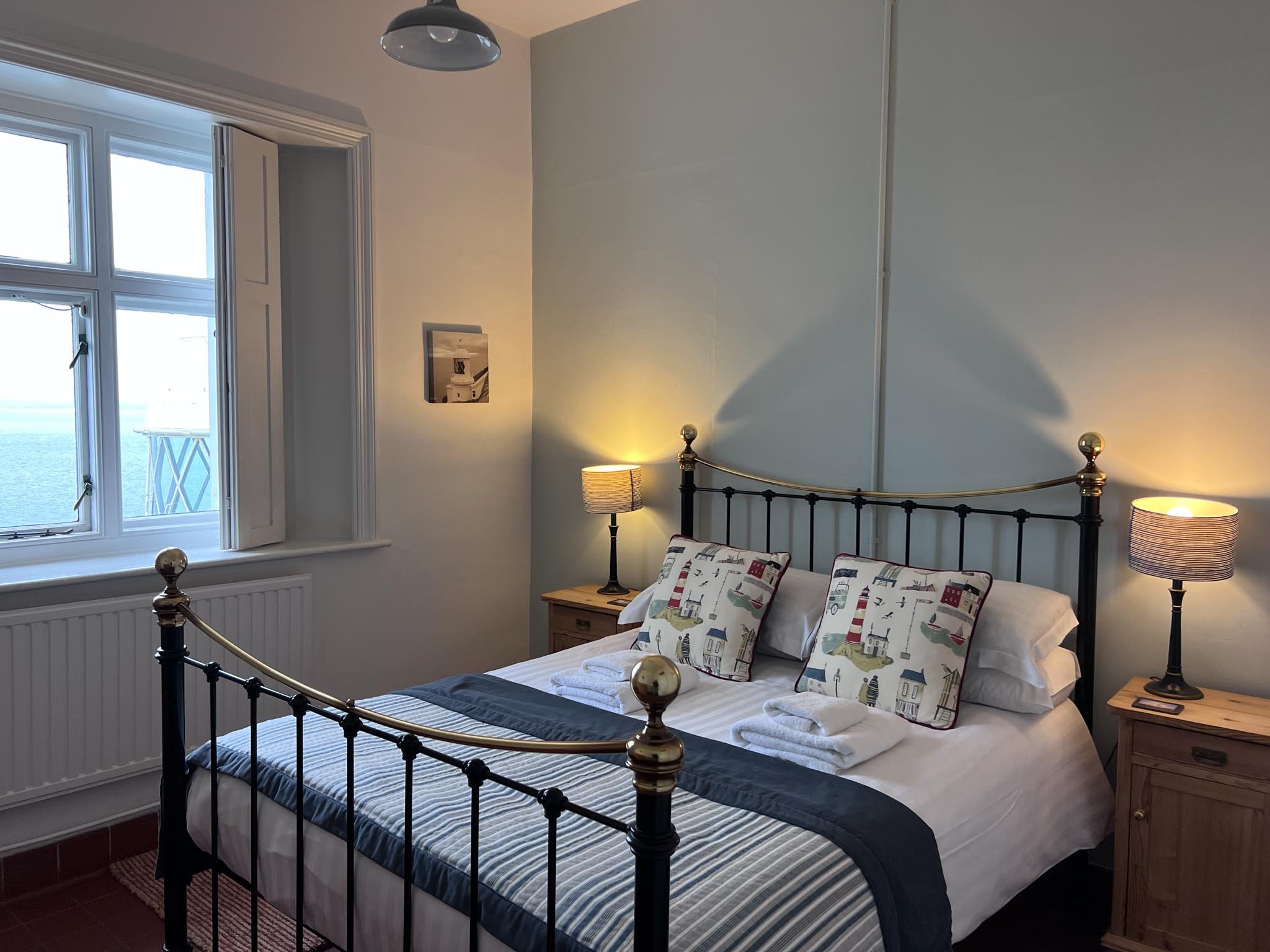
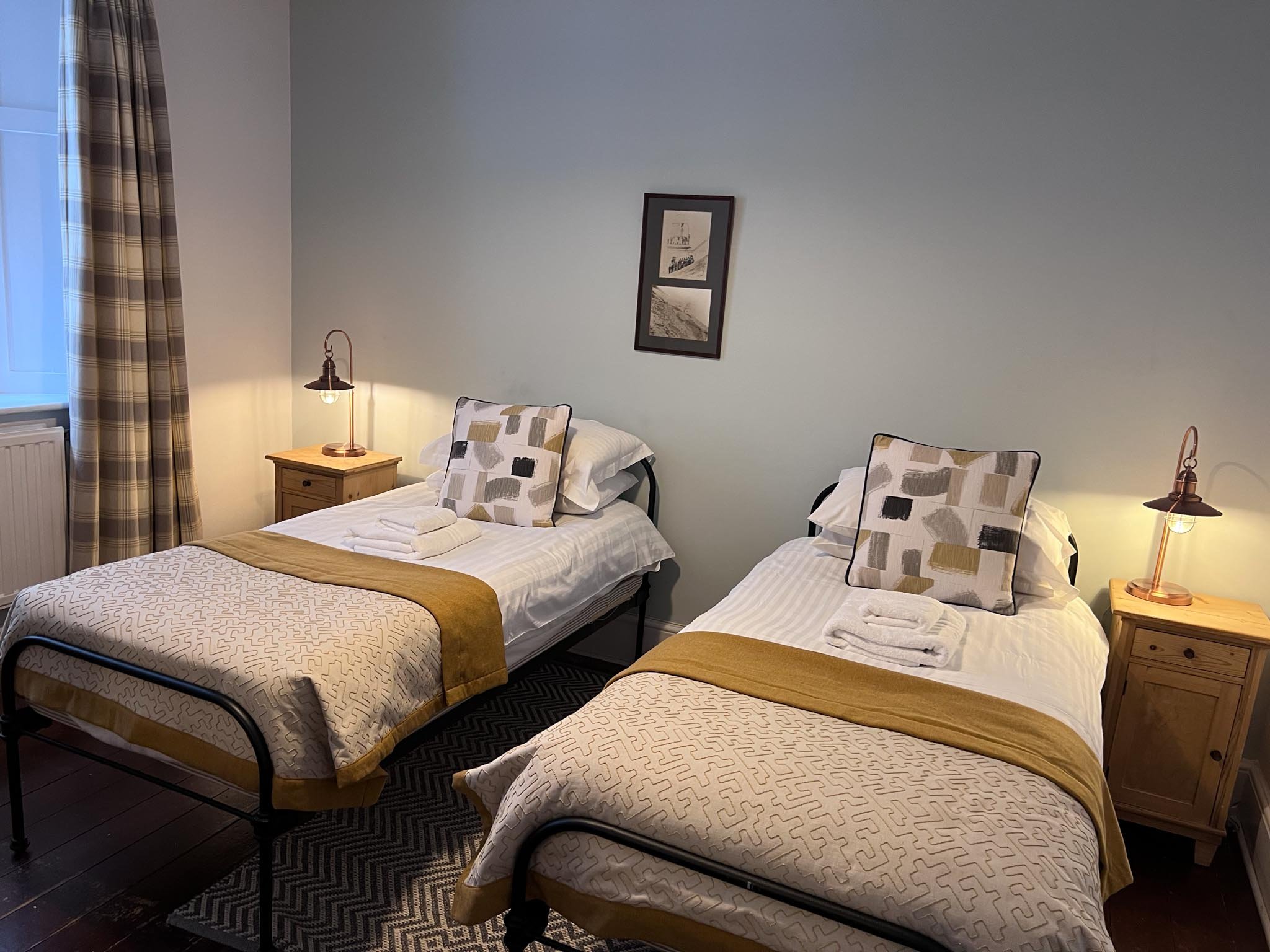
Room types available: Single, Double, Twin and Shared Twins available.
Booking Calendar…
A Walking Break at the Lighthouse: Exmoor’s Dramatic Coastline
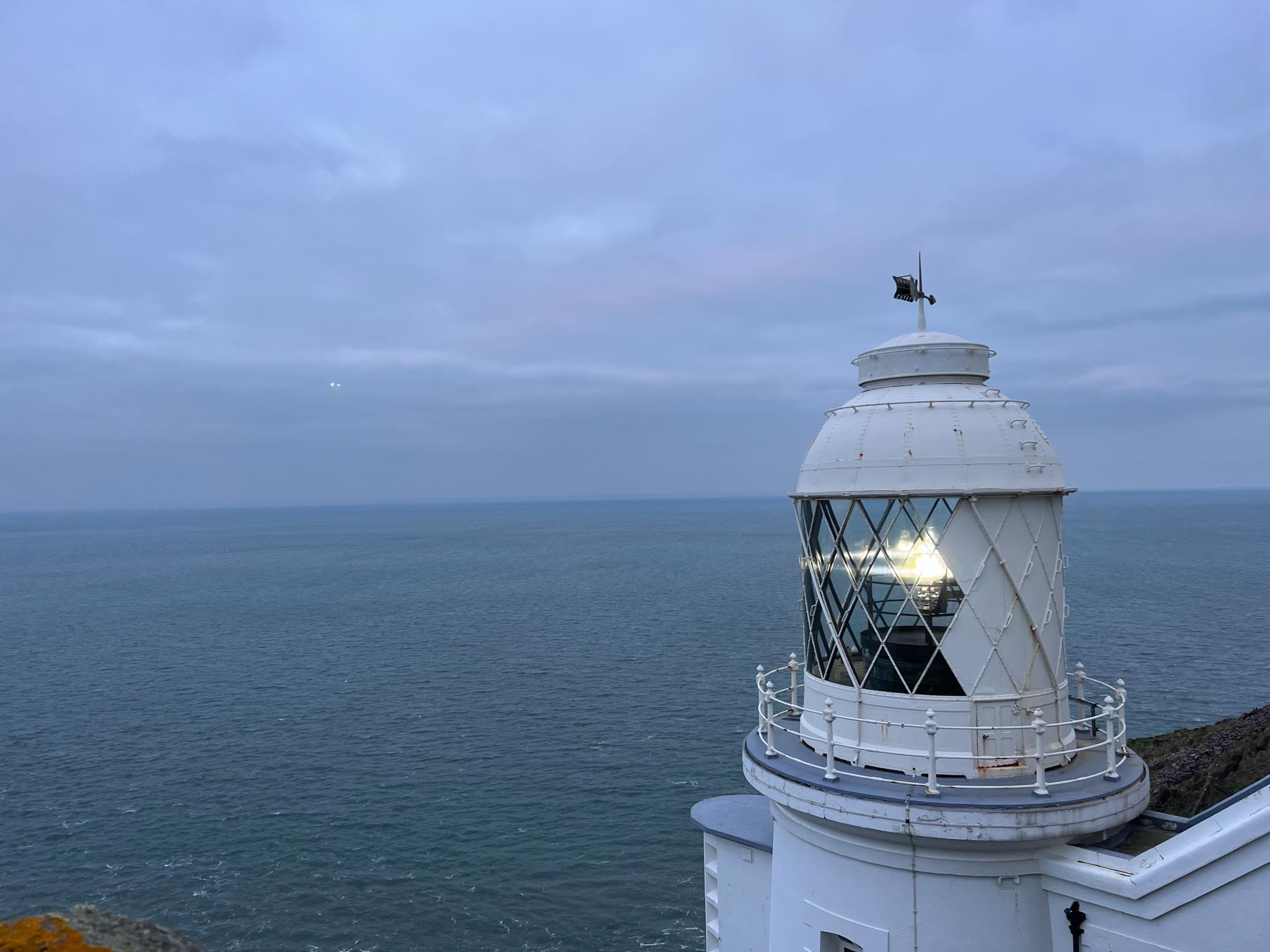
Join Large Outdoors for a sociable and unique 3-night walking break based at the historic Foreland Lighthouse Keeper’s Cottage. Perched on a dramatic clifftop with uninterrupted views out across the sea, the lighthouse is owned by the National Trust and still operates today.
This secluded spot offers cosy, traditionally decorated rooms, a welcoming lounge with huge sea-facing windows, and plenty of space to relax, chat, or simply soak up the setting. The lighthouse and its grounds are yours to explore — a rare chance to stay somewhere truly special.
Our expert guide will lead the walks each day, helping you explore the South West Coast Path, the East Lyn Valley, and the moorland of Exmoor. You’ll visit places like Watersmeet, Lynmouth, Valley of the Rocks and Contisbury Common, all while enjoying a social, easy-going atmosphere with others who love the outdoors.
All transport for walks is included once you arrive, and with your host sorting all the food and logistics, you can simply turn up and enjoy. Whether you're travelling solo or with friends, this is a chance to switch off and get to know a lovely part of the UK coastline.
Look Out for Exmoor Ponies
While out walking, especially on the open moorland above the coast, keep an eye out for Exmoor ponies – one of the UK’s oldest native breeds. These hardy, semi-wild ponies roam freely across the National Park and are well adapted to the rugged terrain and changing weather. They’re an iconic part of the Exmoor landscape, and spotting a group quietly grazing on the hillsides is always a memorable moment.
Suggested Itinerary
Here’s what we’ve got planned - of course, we may have to offer alternatives or make amendments if the weather misbehaves or other unexpected situations arise!
-
Arrive by 5pm where your Large Outdoors host will meet you and drive you down the steep private road to the lighthouse. There’s a short flight of steps to reach the cottage, and then you’ll step into a warm, light-filled lounge with panoramic sea views.
After a cuppa and time to settle in, explore the working lighthouse and its surroundings – it's an atmospheric and remote setting with no neighbours except seabirds and crashing waves. Your host will have dinner on the go, ready for everyone to enjoy around 19:00 followed by a briefing about the days ahead.
Car-Free Option
We offer a courtesy pick-up from Taunton Station at 14:00.
From Taunton, we travel together across Somerset and into Exmoor before descending the private road to the lighthouse.
If you require the station collection, this must be booked in advance.
-
After a healthy breakfast (think fruit, yoghurt, toast, cereal), we’ll make up packed lunches. We can cater for vegetarian, vegan, and gluten-free diets – just let us know on your booking form.
Today’s route heads straight from the lighthouse, following the South West Coast Path southwards. We’ll descend towards the charming harbour village of Lynmouth, with time to grab a cuppa or take in the views.
From here we follow the East Lyn River inland into wooded valleys, heading towards Watersmeet – a peaceful National Trust tearoom nestled at a riverside junction. After a stop, we’ll walk up and over the headland back to the lighthouse.
There’s time to relax, enjoy the views or maybe a casual game of table tennis before another home-cooked meal in the cottage. The evening is yours to unwind however you like.
-
We set off on foot again, heading north inland across Contisbury Common, which offers wide views over Exmoor and across the Bristol Channel towards South Wales.
We’ll then reach County Gate (also known as Cosgate's Feet) – a dramatic spot marking the Devon/Somerset border, with sweeping views across valleys and ridgelines. This was once a key crossing point with an old toll house nearby and forms part of Exmoor’s upland walking network.
From here, we rejoin the South West Coast Path and follow it along the coastline, eventually looping back to our lighthouse base.
In the evening, your host will drive the group to the Blue Ball Inn, a traditional moorland pub with open fireplaces, real ales, and a classic menu. Dinner here isn’t included, so you’re free to choose what you like from the menu. We’ll then head back to the lighthouse for a relaxed final night.
-
After breakfast and packing up, we head back to Lynmouth, where we hop aboard the Lynton and Lynmouth Cliff Railway – the world’s highest and steepest water-powered funicular railway, operating since 1890. It’s a brilliant piece of Victorian engineering with stunning views over the bay.
From Lynton, we follow a short route along the coast through the remarkable Valley of the Rocks – a dry valley with towering rock formations, goats roaming freely, and wide open sea views. The area has long inspired writers and artists, and it's a final highlight before heading home.
We’ll return to Lynmouth for a final lunch or cuppa (not included), before saying our goodbyes and heading off.
Station Drop Off
We offer a collection from Taunton train station at the start of the trip, and will drop you back there in the late afternoon on the final day.
We recommend booking an open return ticket, as we cannot guarantee an exact drop-off time.



Essential Information
-
Meeting Time (at the accommodation): 17:00
Accommodation Address:
Foreland Lighthouse Keeper’s Cottage
Foreland Point
Lynton
EX35 6NECar-Free Option
We offer a courtesy pick-up from Taunton Station at 14:00.
From Taunton, we travel together across Somerset and into Exmoor before descending the private road to the lighthouse.
If you require the station collection, this must be booked in advance.
Driving & Parking
Please do not drive directly to the lighthouse.
Park in the designated National Trust car park (full details provided in your final joining instructions). Parking is free.
From the car park, we will transfer everyone down to the cottage together.
Please arrive at the car park by 17:00 so we can ferry the group down at the same time.
Nearest Train Station
Taunton (for courtesy pick-up)
Barnstaple (approximately 1 hour by taxi – taxis must be pre-booked)Finish Time
We aim to finish between 15:00–17:00 on the final day.
If travelling by train, please book onward travel with flexibility to allow for weather or route changes.
-
Venue:
Foreland Lighthouse Keeper’s Cottage
Foreland Point
Lynton
EX35 6NEThe cottage is reached via a series of steps down the cliffside. The walk down is well worth it for the views, but please be aware of the steps when packing.
This National Trust property offers a cosy lounge, dining area, games room and balcony, with views across the Bristol Channel and the working lighthouse nearby.
Room Types Available (subject to availability):
Shared Room (two participants sharing)
Twin Room (two single beds for participants booking together)
Double Room (double bed for participants booking together)
Single Room
Bathrooms are shared.
-
Included
Accommodation (3 nights)
Guided walking on 3 daysTransport throughout the trip
3 breakfasts
2 evening meals
2 packed lunch
Tea & coffee
BeddingWhat’s Not Included
Travel to the meeting point
Meals not listed above
Personal purchases
InsuranceDietary Information
We can provide vegetarian and vegan meals, along with dishes made using gluten-free or dairy-free ingredients. Please select your dietary preference at checkout.
Meals are prepared in shared kitchens and served in a group setting. While we take care when preparing food, we cannot guarantee the absence of cross-contamination.
Unfortunately, we are unable to accommodate severe allergies or highly specialised dietary requirements. If you have a medical food allergy, please contact us before booking so we can advise whether the trip is suitable.
-
Please refer to our Residential Walking Kit List.
The compulsory items listed are required for safety and comfort. Every participant must carry the required kit during walks.
-
If your trip is more than 12 weeks away, you can secure your place with a 20% deposit.
The balance is due 10 weeks before travel.
If booking within 12 weeks of departure, full payment is required at the time of booking.
We don’t offer automated instalment plans, but you’re welcome to make ad-hoc payments towards your balance at any time. Simply email hello@largeoutdoors.com with your order number and the amount you’d like to pay, and we’ll send you a secure payment link.
Standard Bookings
For standard bookings, you can request to move your booking to another trip up to 10 weeks before departure, or transfer your place to another participant up to 7 days before the trip, subject to availability and the full Terms & Conditions.
Advance Saver Tickets
Some trips include a limited number of Advance Saver places at a reduced price.
These require full payment at the time of booking and are non-refundable, cannot be moved to another date or experience, and cannot be transferred to another participant.
Standard cancellation, move, and transfer terms do not apply to Advance Saver bookings.
Travel Insurance
We strongly recommend that you have suitable travel insurance covering cancellation, medical and emergency expenses, and personal accident.
-
Dogs are not permitted on this trip, except for trained assistance dogs. Please contact us in advance if you intend to travel with an assistance dog.
Still have questions?
See our full FAQ page for general booking and trip information.
Exploring the Coastal Side of Exmoor National Park
Exmoor National Park is often known for its wide moorlands and wooded valleys, but its coastal section is just as remarkable — and that’s exactly where this walking break takes place.
The Exmoor coast is home to the highest sea cliffs in England, with dramatic drops, rugged paths, and sweeping views out across the Bristol Channel. The South West Coast Path follows this section closely, and many of the routes we walk are along this trail, offering a combination of open clifftop walking and sheltered wooded valleys.
You’ll experience the contrast between wild upland scenery and peaceful coastal villages like Lynmouth, explore deep river-cut gorges like the East Lyn Valley, and visit landmarks such as Watersmeet and the Valley of the Rocks, known for its unique rock formations and resident feral goats.
Much of this area is looked after by the National Trust, which helps preserve both the landscape and its cultural heritage. The lighthouse itself is part of that – a fully functioning beacon set high above the water, guiding ships past the Exmoor coastline since the 19th century.
Whether you’re watching the waves crash from the lighthouse balcony or walking through ancient woodland with only birdsong for company, this stretch of Exmoor offers a quieter, more remote walking experience that still feels truly wild.
This map is provided for guidance regarding the general location. For detailed meeting information, please refer to the 'Meeting Time & Location' section.