You don’t need a boat to explore the Norfolk Broads. Walking gives you a different view of the area: paths beside rivers, grazing marshes, windpumps and villages, with coastal walks nearby.
If you’re considering a Norfolk Broads walking break, here’s what to expect underfoot, where to explore and what to bring.
What is walking in the Norfolk Broads like?
The Broads offer largely flat walking, with routes through open countryside and beside waterways. There’s time to notice the smaller details: boats passing along a river, birds among the reeds and buildings that tell the story of people working in this landscape.
But flat doesn’t mean every walk is easy. Distance, weather and ground conditions all make a difference. Paths can be muddy or uneven, coastal sections may involve soft sand, and open marshland offers little shelter from the wind.
Choose a route by its distance and terrain rather than assuming that a Norfolk walk will be a gentle stroll.
Places to explore on foot
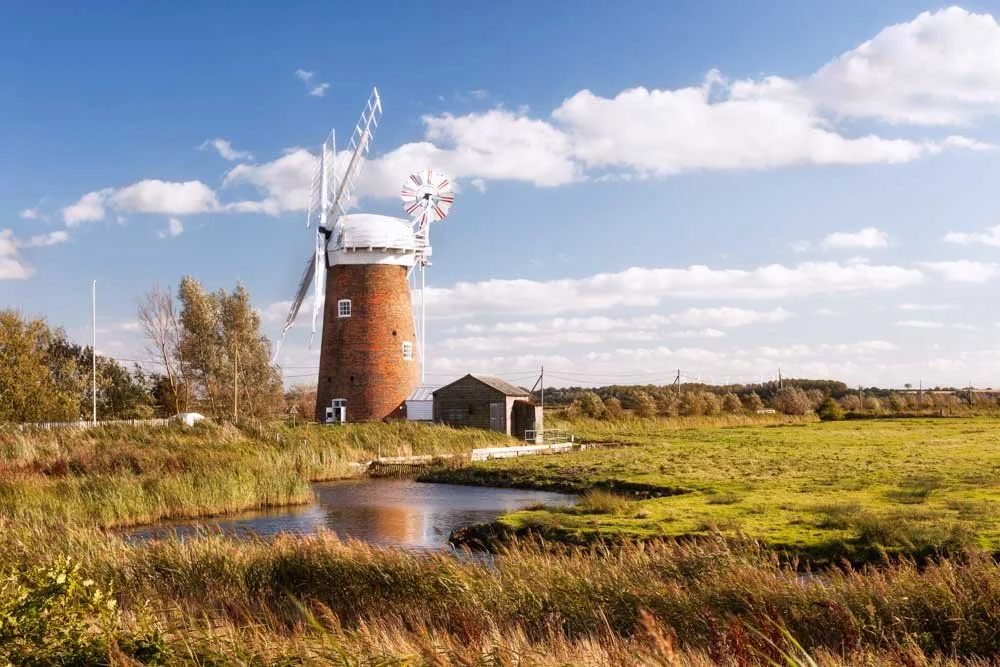
Horsey: windpump, marshland and coast
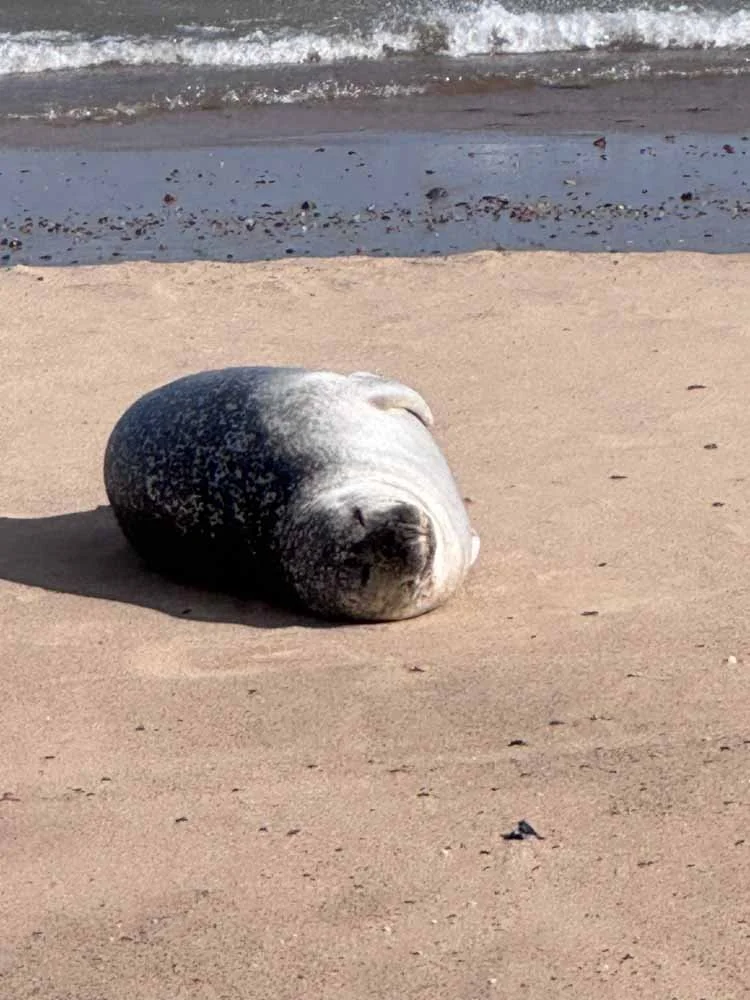
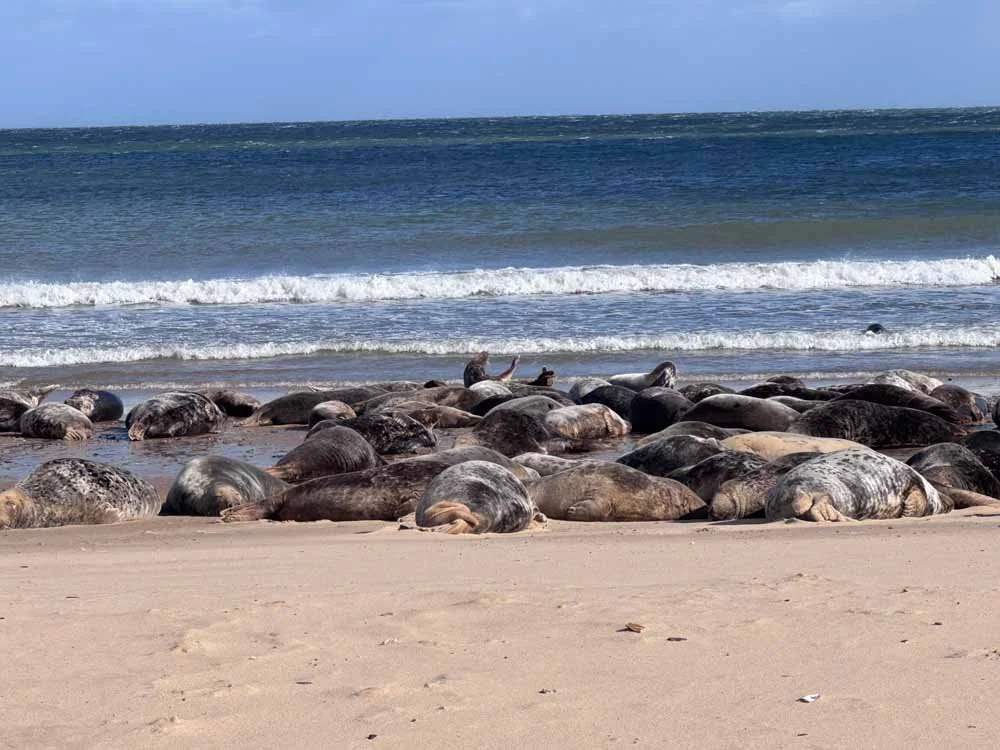
Horsey brings together several sides of Norfolk in one area. Around Horsey Windpump, you’ll find waterways and marshland, while the nearby coast offers dunes, sea views and opportunities to watch grey seals.
On our October 2025 walking weekend, we explored the countryside around the windpump before heading towards Horsey Gap. Hundreds of adult seals were resting on the beach—a highlight of the trip.
Coastal access changes during the seal breeding season, so a route that works at one time of year may need adjusting at another.
The River Ant and How Hill area
For a waterside walk, the River Ant offers a different experience from the coast. On our first Broads weekend, we walked from Ludham Bridge through riverside scenery, passing marshes and reedbeds.
We also visited Toad Hole Cottage Museum, a former marshman’s cottage that helped put the landscape into context. The Broads are a place where people have lived and worked for generations, as well as somewhere to watch wildlife.
Check opening times if you’re planning to include a museum or other attraction in your day.
St Benet’s Abbey and other Broadland walks
The Broads’ walking options extend beyond Horsey and the River Ant. Routes around St Benet’s Abbey, Reedham and Surlingham offer further ways to explore the area’s waterways and history.
For independent walks, use a published route and check current access information. These are places to consider, rather than a fixed itinerary: the right choice depends on how far you want to walk and the conditions on the day.
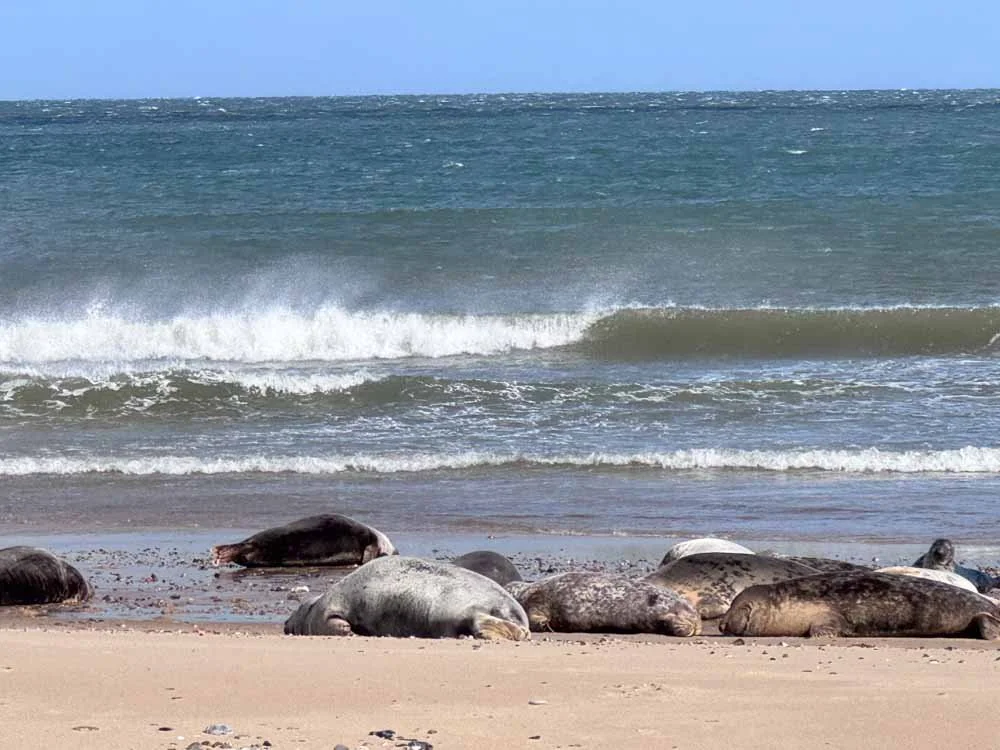
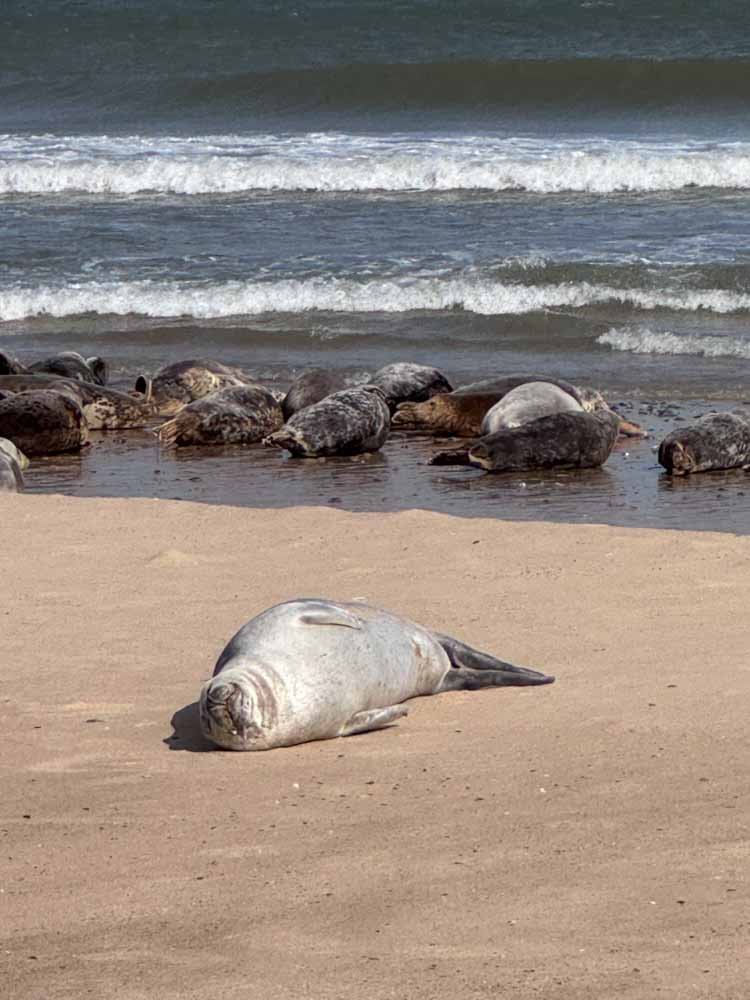
Seeing seals near Horsey
Seal watching can be part of a coastal walking day, but the animals’ welfare comes first.
During the breeding season, generally November to January, Friends of Horsey Seals asks visitors to stay off the beach and use the designated viewing areas. Follow signs, keep to marked paths and take advice from the volunteer wardens.
Give seals plenty of space, never approach pups and avoid blocking an animal’s route to the sea. Binoculars or a camera zoom let you enjoy the view from a distance.
Check the latest visitor guidance before setting out:
https://www.friendsofhorseyseals.co.uk/visit/
Wildlife sightings are never guaranteed. Our October visit brought plenty of adult seals, but what you see will depend on the season and the day.

When should you go walking in the Broads?
Rather than looking for one “best” season, think about the kind of day you want.
For an autumn or winter visit, plan for shorter daylight hours, colder winds and potentially wet ground. Seal watching near Horsey may be an attraction, but seasonal access restrictions need to shape your route.
For warmer-weather walks, carry water and sun protection as well as waterproofs. An open riverside path can feel quite different from a sheltered village or car park.
Whatever the month, check the forecast and allow enough daylight to finish comfortably.
What should you bring?
For a day’s walking, useful essentials include:
Walking footwear with good grip, suitable for the route and ground conditions.
A waterproof jacket and layers for changes in temperature.
Water, lunch and snacks.
A day rucksack.
Sun protection or a warm hat and gloves, depending on the forecast.
A map or reliable navigation if you’re walking independently.
Binoculars, if you enjoy watching wildlife.
For a Large Outdoors trip, follow the kit list supplied for your departure.

Exploring with a guided group
If you’d prefer to spend your break walking and enjoying the company, an organised trip takes care of the routes and local transport.
Our Norfolk Broads walking break is hotel-based, with Norwich station collection, transport to the walks and breakfasts included. Most people join solo, and shared walks and evenings together give you time to get to know the group.
Check the walking grade, distances and full itinerary before booking. We may adapt routes to suit weather and access conditions—as we did on our first Broads weekend.
Join Large Outdoors for a sociable guided break. Find upcoming dates, room options and full booking details here:
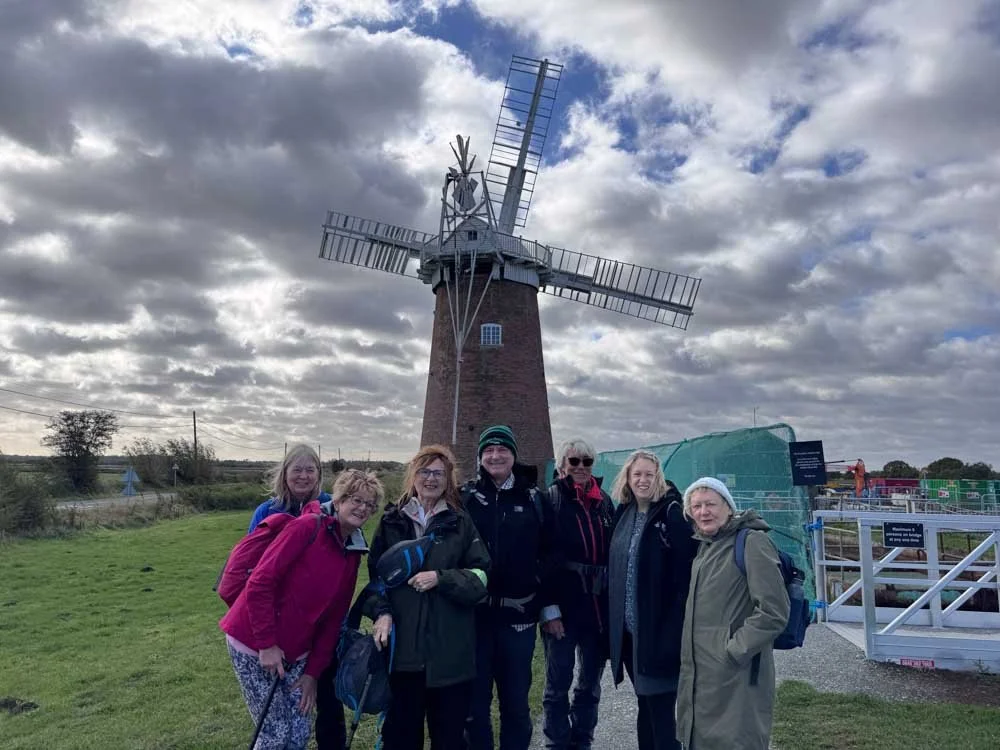
See what a previous weekend was like
Our October 2025 trip report includes photographs and an account of the walks, seal sightings and stops along the way:
https://www.largeoutdoors.com/walking-news-blogs-galleries/our-first-norfolk-broads-walking-break
To explore our other Norfolk walking trips, including the north coast, visit: